
WorkSafe Magazine past issues
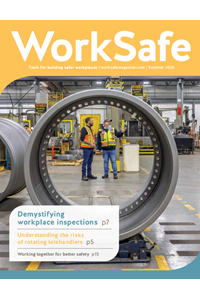
WorkSafe Magazine — Summer 2026
Features:
- Demystifying workplace inspections
- Understanding the risks of rotating telehandlers
- Working together for better safety
Articles
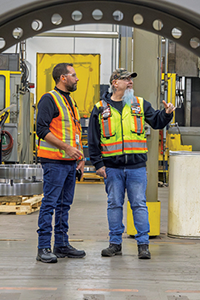
Demystifying workplace inspections
A good inspection can prevent injuries, save time, and reduce costly surprises. It helps workplaces spot issues early and strengthen safety practices.
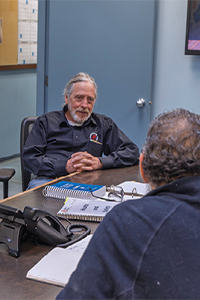
Managing risks with a key risk inventory
A key risk inventory (KRI) is a simple, easy-to-read summary of the key risks on a worksite. Key risks are risks that could result in a serious injury, fatality, or disease. A KRI briefly describes each key risk, the risk controls currently in place, and whether those controls need to be improved.

Rotating telehandlers: Understanding and reducing the risks
Rotating telehandlers are used across many industries to move materials on worksites. These machines have a telescoping boom that extends upward and forward. Both the boom and the cab are mounted on a rotating turntable. More than 100 attachments can be added to the boom, allowing the machine to perform different tasks.
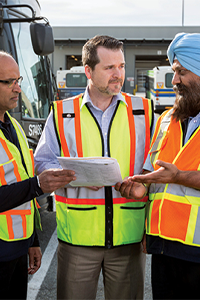
Building better safety together
A recent seminar challenged joint health and safety committees and worker health and safety representatives to move beyond compliance. The focus was on spotting risks early and building a culture of open, honest safety conversations.

Understanding Personal Coverage for home sharing providers
For B.C.’s 4,000 caregivers who share their homes with the people they support, navigating injury protection and Personal Coverage can be complex.
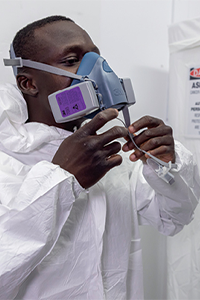
Clarifying standards for safety headgear and respirators
This article focuses on practical steps employers can take to prevent struck-by incidents around mobile equipment.

Understanding WorkSafeBC’s surplus
In 2026, WorkSafeBC is returning an estimated $564 million of surplus funds to employers through discounted premium rates.
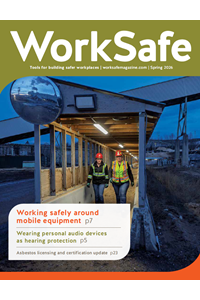
WorkSafe Magazine — Spring 2026
Features:
- Working safely around mobile equipment
- Wearing personal audio devices as hearing protection
- Asbestos licensing and certification update
Articles
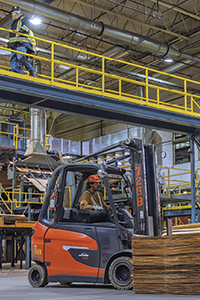
Working safely around mobile equipment
Smart safety systems at two B.C. pulp and wood product manufacturing operations ensure safe passage through busy equipment operating zones.

Ask an officer: Can workers wear personal audio devices as hearing protection?
Our prevention officers commonly get questions from employers about workers using personal audio devices — including noise-cancelling earbuds and headphones — on the job. These devices can increase exposure to harmful noise and may distract workers from nearby hazards, warnings, and other important cues.

Licensing and certification transforming asbestos work in B.C.
Two years in, these programs are revealing high-risk work and are helping protect workers before exposure to asbestos occurs.
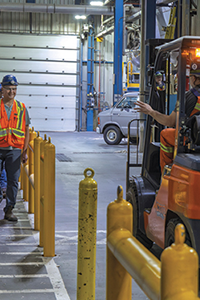
Take steps to prevent struck-by incidents
Protecting workers from the all-too-common risk of being struck by a vehicle is crucial. Preventing these incidents starts well before workers arrive on site.
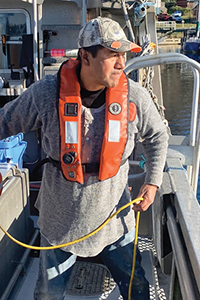
Fresh lines on safety in commercial fishing
A major revision to WorkSafeBC’s flagship health and safety book for commercial fishing offers accurate, visually engaging content to keep workers safe on the water.
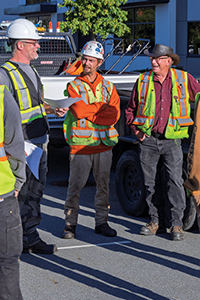
Protecting workers from traffic: Getting started
This article focuses on practical steps employers can take to prevent struck-by incidents around mobile equipment.

Reporting tips and gratuities for service employers
Our revised practice directive for assessable payroll is cutting through confusion by clarifying exactly what needs to be tracked and reported. In this feature, we focus on the reporting of verifiable tips.
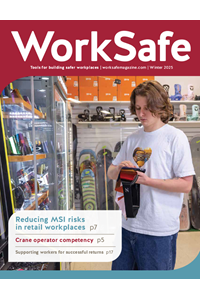
WorkSafe Magazine — Winter 2025
Features:
- Reducing MSI risks in retail workplaces
- Crane operator competency
- Supporting workers for successful returns
Articles

Ask an officer: Crane operator competency and what employers need to know
Employers in B.C. must ensure operators — including experienced and trainee — of all crane types have the skills and knowledge to do the job safely. A well-designed competency assessment program and a supervision plan can help employers ensure operators work safely and proficiently.

Preparing for winter roadside emergencies
For workers who drive on the job, getting stuck, stranded, or delayed can be challenging at the best of times. But in winter, these roadside emergencies can be life-threatening, especially for workers who drive alone or in remote areas.

Reducing MSI risks in retail workplaces
Following a push to engage with sector representatives, a new suite of tools and resources is now available to help retailers make MSI health and safety gains.
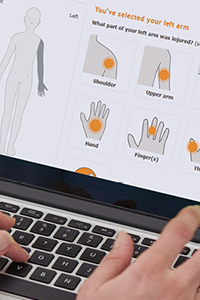
Reporting injuries online made better
WorkSafeBC’s new online reporting experience makes injury reporting easier and more convenient. With a human-centred design, it helps injured workers feel supported from the start of a claim.
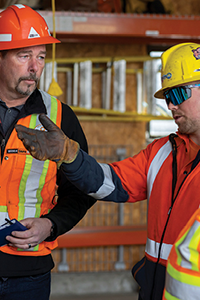
Return-to-work journeys: Supporting workers for successful returns
Returning to work after a workplace injury is a collaborative process that supports worker recovery while maintaining productivity and morale. A successful return involves early communication, empathy, planning, and cooperation among employers and workers.
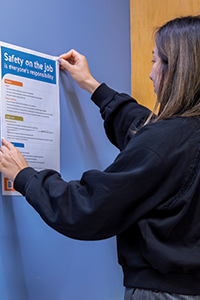
Safety messaging that sticks
Posters have long been a staple of workplace safety culture with their bright visuals, bold fonts, and messages designed to make an impact. They deliver compelling, visible reminders that help keep safety top of mind.

Safety videos that steal the spotlight
WorkSafeBC’s Student Safety Video Contest has planted seeds of safety awareness for two decades, empowering young people to share their safety messages with each other and amplify them to the broader community.
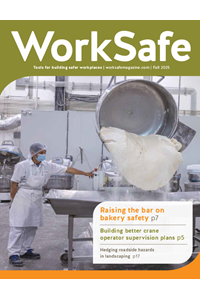
WorkSafe Magazine — Fall 2025
Features:
- Raising the bar on bakery safety
- Building better crane operator supervision plans
- Hedging roadside hazards in landscaping
Articles
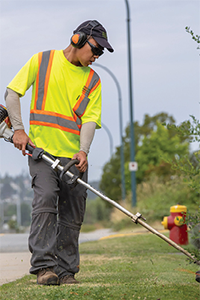
Hedging roadside hazards in landscaping
Over the years, B.C.’s landscape industry has put in place workplace safety measures to protect roadside workers from traffic hazards and prevent serious injuries.
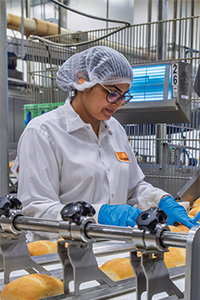
Raising the bar on bakery safety
Behind the warmth of fresh bread are the daily realities of bakery work — aching muscles, potentially slick floors, searing oven heat, sharp blades, and dangerous machines — all requiring control measures to minimize risks.

A culture of care guides return-to-work success
When a worker is injured, ripples are felt across the team — schedules shift, workloads grow, morale dips, and productivity slows. Without a clear plan, employers are left scrambling to fill gaps while costs quietly climb, and workers feel caught in the confusion.

Ask an officer: Building better crane operator supervision plans
In B.C., every provisional tower crane operator (i.e., trainee) must be supported by a written supervision plan. A supervision plan is one of an employer’s most powerful tools for helping new crane operators build the skills they need to work safely and professionally.
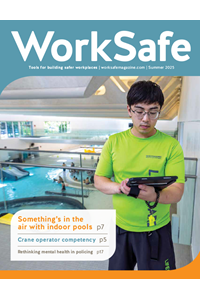
WorkSafe Magazine — Summer 2025
Features:
- Something’s in the air with indoor pools
- Crane operator competency
- Rethinking mental health in policing
Articles
Crane operator competency: What employers need to know
In 2024, WorkSafeBC expanded its crane safety initiative to improve crane operations across B.C. construction sites. A key focus? Making sure crane operators are not just certified — but truly competent, meaning they have the knowledge and skills to complete their work safely and successfully. We spoke with Theresa O’Hara, an occupational safety officer with the Provincial Crane Inspection Team, about what employers need to know — and how they can take practical steps to ensure safe crane operations.
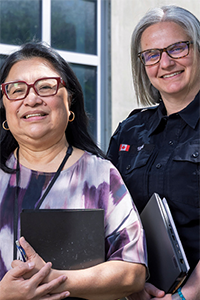
Rethinking mental health in policing
With mental health claims rising, the Vancouver Police Department set a new standard for return-to-work programs that prioritize wellness, teamwork, and long-term success with collaboration, creativity, and compassion.
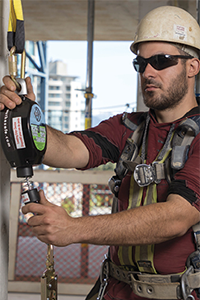
Preventing falls from heights in construction
Falls from heights (e.g., roofs, ladders, work platforms) continue to be a leading cause of workplace injuries and fatalities. As summer kicks in and outdoor construction peaks, WorkSafeBC is urging employers to prevent these devastating and life-altering incidents.
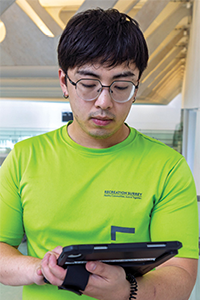
Something’s in the air: Controlling chemical exposure in pools
Pools are popular, year-round recreational destinations for many of us, and the health and safety of both workers and guests is key for diligent pool operators.
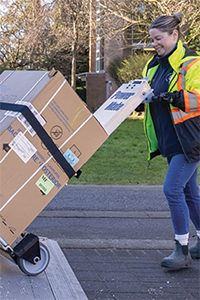
Steps to safer moves on campus
At the University of British Columbia’s Vancouver campus, a simple question sparked a major shift in safety culture: “How can we make moving appliances safer?” The search for an answer ignited collaboration, innovation, and renewed commitment to protecting workers.

The right to a safe workplace from day 1
In April, WorkSafeBC launched an awareness campaign to let newcomers to B.C. know that all workers have the right to a safe workplace — from day one on the job. This includes the right to know about hazards at work, to participate in workplace health and safety activities, and to refuse unsafe work.
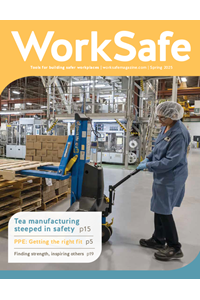
Articles
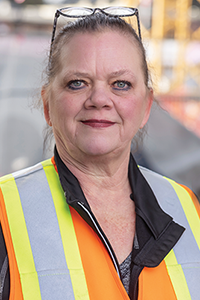
Ask an officer: Properly fitting PPE leads to better worker protection
Workers come in varying shapes and sizes. This means personal protective equipment (PPE) also needs to come in varying shapes and sizes to protect everyone. We talked with occupational safety officer Chelle Wright about what to bear in mind when finding the right fit for workplace PPE.
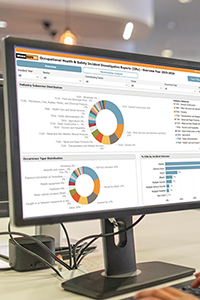
A decade of data sharing distinguished by nine new dashboards
In 2024, we marked our first 10 years of sharing data by adding 9 new data-analytics dashboards to our online health & safety data tools.
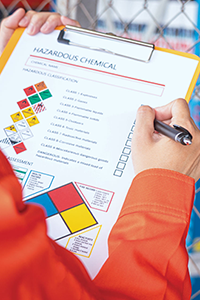
Emergency planning for hazardous substances
Amendments to Part 5 of the Occupational Health and Safety Regulation came into effect on February 3, 2025. These amendments provide clarity and specify what emergency plans must include.

Finding strength in inspiring others
Nearly 28 years after Darcy Kulai was injured at work, the memory and the grief remain strikingly real, affecting him both physically and mentally. Now, he wants to inspire other young workers to stay safe on the job.
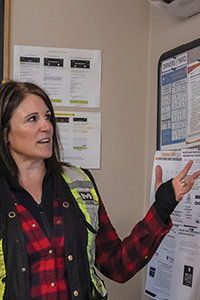
Hidden hazard in construction: Road safety risks beyond jobsites
As construction season kicks off this spring, employers in B.C.’s construction industry can’t overlook the risks their workers face daily when driving for work.

Introducing our new OHS advisor role
WorkSafeBC created a new occupational health and safety (OHS) advisor position. These individuals will support the health and safety responsibilities of employers and workers in B.C.

Surplus helps keep premium rates stable
Between 2019 and 2025, $2.5 billion of surplus funds will have been used to keep premium rates stable and below costs.
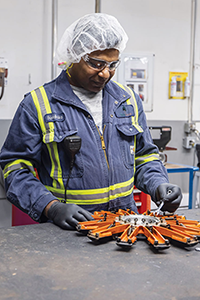
Tea manufacturing steeped in safety
TreeHouse Foods, Inc. is a leading North American supplier of private-label and co-manufactured packaged foods and beverage products, with 27 production facilities across Canada and the United States.
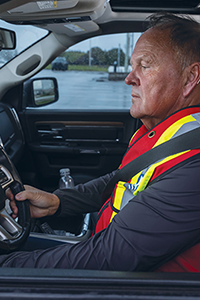
Tips to keep construction workers safe
Driving to and from jobsites can be hazardous, so keeping workers safe starts long before the rubber hits the road.