
Rethinking mental health in policing
Published on: June 18, 2025
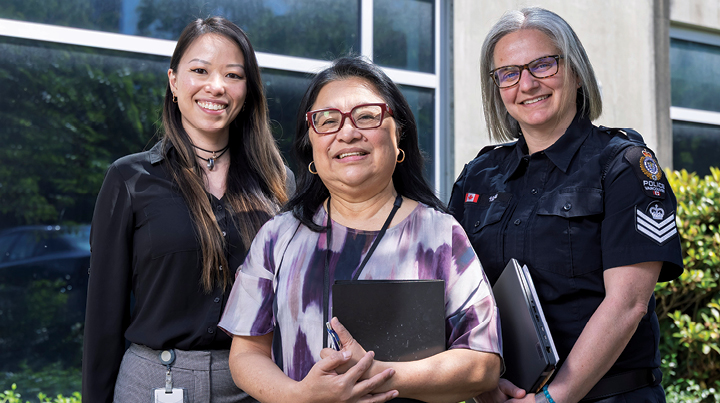
With mental health claims rising, the Vancouver Police Department set a new standard for return-to-work programs that prioritize wellness, teamwork, and long-term success with collaboration, creativity, and compassion.
By Tanya Colledge
When Staff Sergeant Tanya McLachlan started her career in policing 26 years ago, mental health wasn’t something officers would talk about — let alone ask for help.
“You were expected to suck it up. It was just part of the job,” she recalls. “We didn’t have the language or systems to support members with what they were experiencing in the field.”
But, over time, that silence began to break.
With the introduction of a mental health wellness program and the creation of the Vancouver Police Department’s Employee Services Unit, the culture started to shift. Mental health became a legitimate, open topic of conversation — one met with care, not stigma.
Breaking down barriers to mental health
“We’re seeing more people come forward with mental health claims — not because there is an increase in occurrences, but because there is more of an understanding that if you are struggling, there is someone for you to talk to and a process that can support you in healing,” says McLachlan.
With more than 1,800 sworn members and 400 civilian employees, the Vancouver Police Department (VPD) saw over 1,000 claims filed in 2024, with nearly 300 of them related to traumatic events. According to Phoebe Chan, one of VPD’s disability and return-to-work case managers, many of these cases aren’t tied to a single incident.
“Our officers face potentially traumatic events regularly; over time, those experiences can accumulate,” says Chan. “We often see mental health claims where the impact doesn’t always show up right away. It may surface months after an incident, or it might not be tied to a single event at all. Instead, it’s the effect of years of exposure to high-stress, high-impact situations.”
That cumulative weight, she explains, can eventually reach a tipping point. “The good news is that more officers are recognizing signs and reaching out for help — and when they do, we’re able to initiate claims that reflect the scope of their experiences throughout their careers.”
For police officers, it’s not just about having supports in place — it’s about having the right kind of support. Access to mental health professionals who understand the realities of frontline work is critical, as is VPD’s peer support program where officers can speak with someone who truly gets what it’s like to wear the uniform.
“It breaks down barriers and helps them feel seen, heard, and understood,” says McLachlan.
Creating tailored support systems
VPD’s approach to return-to-work has evolved to support this culture shift. They built a more responsive, supportive return-to-work program that is better tailored to psychological injuries and gives members the resources to heal and return to duty with dignity and confidence.
Returning to work after an injury — whether physical or psychological — isn’t just a box to check; it’s a carefully coordinated, person-centred process built on collaboration, compassion, and continuous improvement.
When an incident occurs, a dedicated disability and return-to-work case manager steps in to guide each worker through their claim, coordinating with WorkSafeBC’s case managers and VPD’s physical health and performance, health and safety, and employee wellness (including peer support) units.
“Over the years, we’ve built strong partnerships with WorkSafeBC to better understand the physical and psychological limitations members may face after an injury,” says Agnes Tecson, disability and return-to-work case manager.
“That collaboration has helped us tailor the right supports — each officer has a return-to-work plan that’s realistic, respectful, and sets them up for long-term success.”
Thinking outside the box
Amendments to the Workers Compensation Act came into effect in 2024, adding a legal duty to cooperate and maintain employment. Since then, the VPD has worked closely with WorkSafeBC case managers to find suitable, modified duties that allow officers to recover at work. Working collaboratively with employers helps ensure that workers get the support they need while focusing on their abilities versus disabilities.
“We know that when workers get the opportunity to recover at work, they heal better and faster. Our job as case managers is to review the medical and collaborate with both the employer and worker to determine what type of work accommodations might be necessary,” says WorkSafeBC’s Ranjodh Virk, client services manager. Mental health claims can have additional issues or challenges that need to be considered when finding suitable return-to-work options.
For police officers recovering from psychological injuries, returning to the job can involve a range of potential triggers. These can be deeply distressing and must be considered during the return-to-work planning process. To support a safe and sustainable return, employers are encouraged to think beyond traditional policing roles and consider alternative duties that accommodate both the operational needs of the department and the psychological well-being of the member.
“Where we see success is when employers work with us, get creative, and think outside the box instead of within the lines they’re used to. You have an able-bodied person who can contribute; it’s about finding something that will work for everyone,” adds Virk.
Learning new skills and staying connected
The VPD has several units that offer modified duties for officers, depending on the approximate length of recovery time and the nature of their claims. The Operations Support Unit, for example, offers members the opportunity to engage with police work by taking low-priority calls in an office setting. The Assignments & Transfers sergeant can work with officers to find positions where they gain new skills, experience, and even mentorship while they allow their bodies and minds to heal.
“We know our officers are eager to return to the work they were trained to do,” says Chan. “But policing is unpredictable and physically demanding, so we have to be very intentional about when and how someone is cleared to return to frontline duties.” While operational readiness is a key consideration, Chan notes the return-to-work program has revealed another important insight: simply being back in the workplace — surrounded by colleagues and part of a team — can have a powerful impact on both physical recovery and mental well-being.
The VPD’s return-to-work approach highlights the critical role of collaboration, creativity, and compassion in supporting injured workers. By working closely with WorkSafeBC and thinking beyond traditional roles, the department has built a program that’s both flexible and responsive to the complex realities of policing. It’s a model that shows what is possible when employers lead with agility and prioritize the health, safety, and long-term success of their people.
For more information
Visit Managing psychological health & safety and Employers: Return-to-work information on worksafebc.com.
This information originally appeared in the Summer 2025 issue of WorkSafe Magazine. To read more or to subscribe, visit WorkSafe Magazine.