
Clarifying standards for safety headgear and respirators
Published on: June 8, 2026
Amendments to Parts 8 and 31 of the Occupational Health and Safety (OHS) Regulation came into effect on April 1, 2026.
By Steven Gilstead
The amendments update references to selected technical standards for safety headgear and respiratory protection, helping ensure the Regulation remains current and aligned with WorkSafeBC guidelines.
These updates are about clarity and consistency. They reflect standards that are already widely used in workplaces across B.C. and do not introduce new obligations for employers or workers.
What has changed
The amendments update references to technical standards in specific sections of the Regulation.
Safety headgear (Part 8)
Two additional acceptable standards are now formally recognized under section 8.13(1) for specific types of safety headgear:
- ASTM F1447-06 — Sets performance requirements for bicycle and roller-skating helmets, including impact protection and strap strength
- Snell B-90A — Updates Snell’s bicycle helmet standard with enhanced testing and performance requirements
These standards apply only when workers are using bicycles, in-line skates, or, in limited circumstances, all-terrain vehicles (ATVs).
Respiratory protection (Parts 8 and 31)
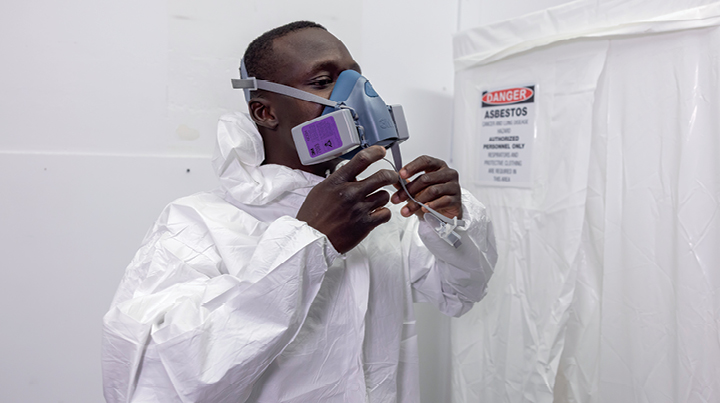
Most references to older editions of the CSA Z94.4 standard have been updated to CAN/CSA Z94.4-18, the current edition of the standard.
This update applies to respirator requirements in:
- Sections 8.33, 8.41, 8.44, and 8.45 (Part 8, Personal Protective Clothing and Equipment)
- Section 31.26 (Part 31, Firefighting)
We updated these references to align with those previously approved in the OHS Guidelines.
What it means for employers
In most cases, this will be an administrative update rather than a change in practice. Workplaces that were compliant before April 1 will continue to be compliant.
While the amendments do not create new requirements or change how the Regulation is enforced, employers should take the opportunity to:
- Review internal safety materials to ensure references to standards are current
- Share information about the updates with supervisors, joint health and safety committees, and affected workers
What workers should know
The updates do not change expectations around the use of safety headgear or respirators. Workers can continue to use equipment that meets accepted standards and follow existing workplace procedures for fit, use, and care.
If workers have questions about how the updated references apply in their workplace, they should speak with their supervisor or health and safety representative.
For more information
WorkSafeBC has updated the OHS Regulation and guidelines to reflect these amendments. For more information, visit worksafebc.com to review the following legislation:
- Part 8: Personal Protective Clothing and Equipment
- Part 31: Firefighting
This article originally appeared in the Summer 2026 issue of WorkSafe Magazine.
To read more or to subscribe, visit WorkSafe Magazine.