
Poison hemlock
What is poison hemlock?
- Poison hemlock (scientific name: Conium maculatum) is a plant in the parsley family.
- It’s a biennial, which means it lives for two years. Leaves grow in the first year, and flowers grow in the second.
- In the first year, this plant is small and low to the ground, and it can look like carrots or parsley. Its leaves look like those of ferns and are bright green. They have a strong, musty smell.
- In the second year, it grows tall stems and groups of small, white flowers with five petals. Poison hemlock can grow to be 3 m tall.
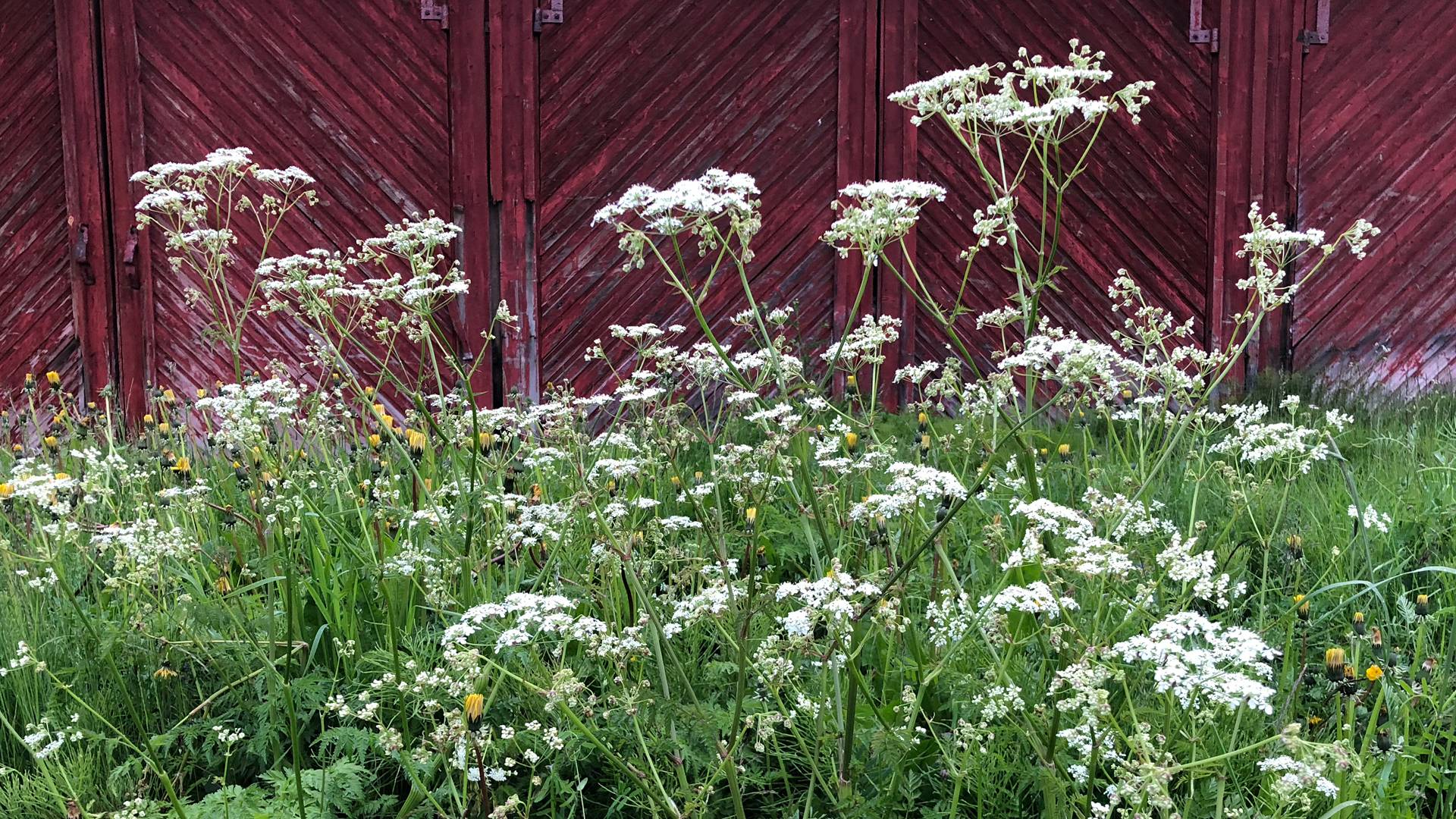
The leaves, flowers, stems, seeds, and roots all include a toxic compound.
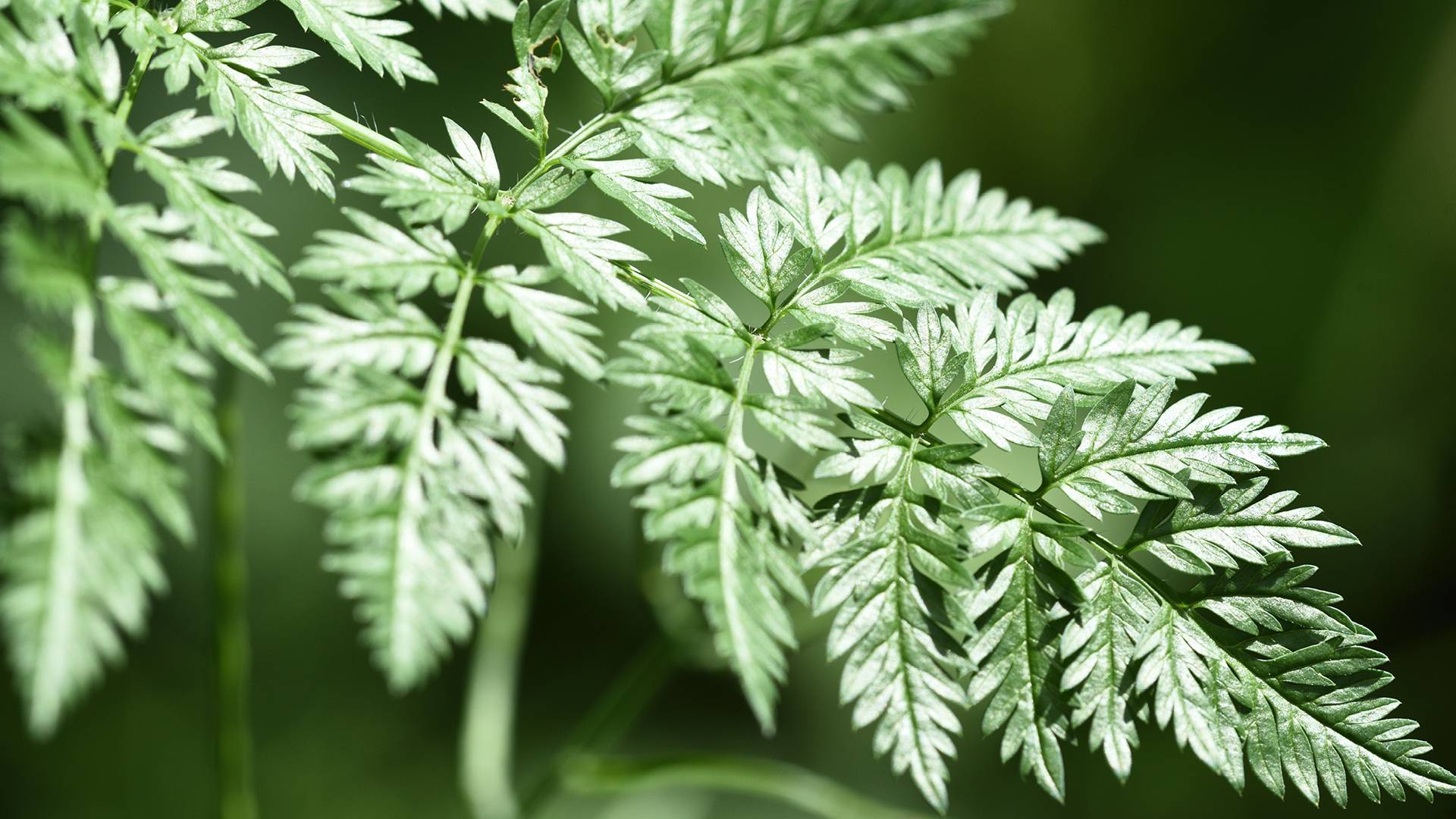
The leaves look like fern leaves and have a musty smell.
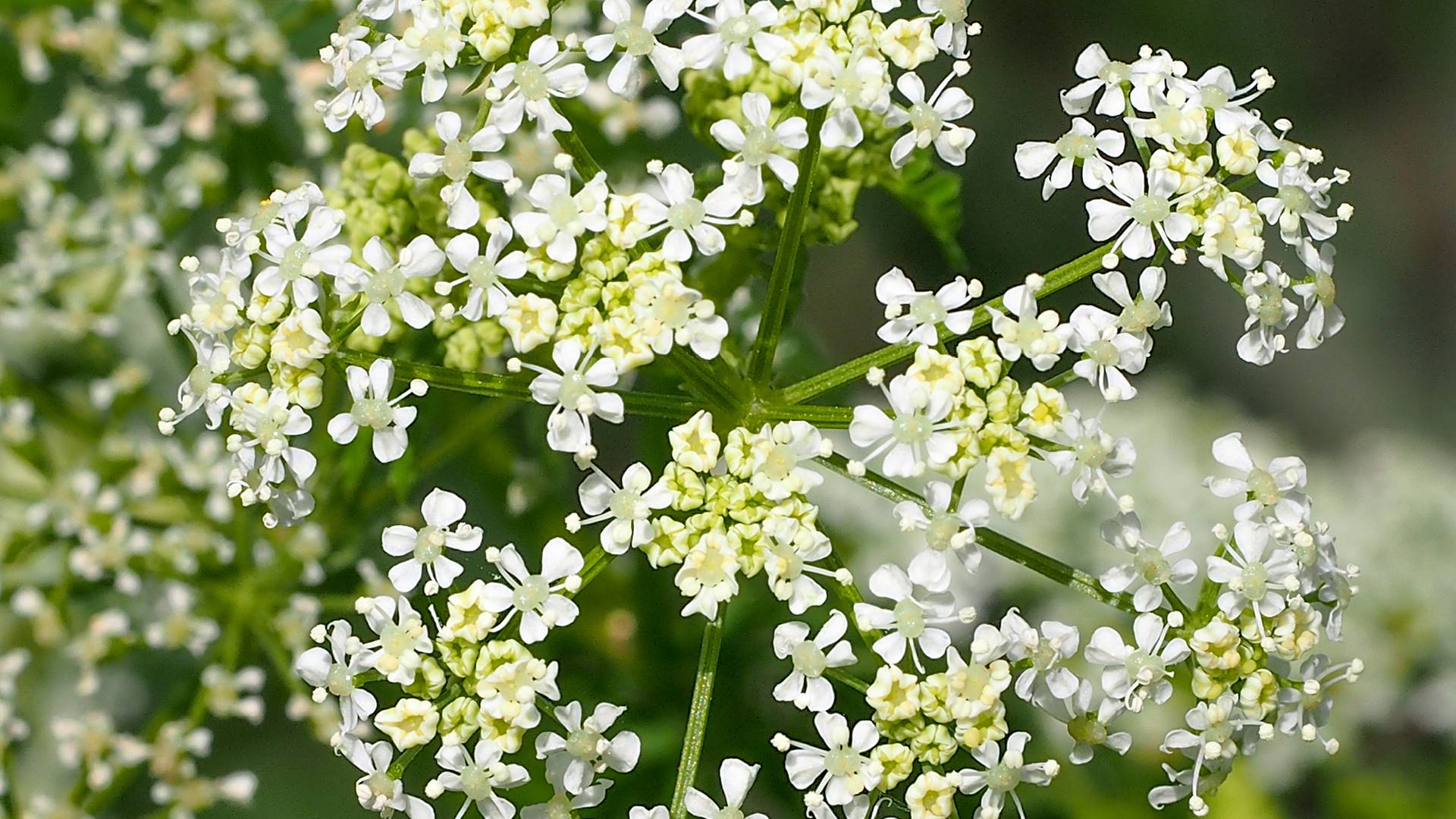
Groups of flowers are white with five petals.
Where is it found?
- Poison hemlock can be found across Canada.
- It thrives in moist, sunny areas along ditches, roads, and riverbanks, and in vacant lots and fields. But it can adjust to drier, shadier areas.
- It’s not native to B.C., and it’s originally from Europe or Asia.
Which parts of the plant are harmful?
- All parts of the plant include a toxic compound, including the leaves, flowers, stems, seeds, and roots.
- After these plants die, they can stay poisonous for as long as three years.
What happens if I eat, touch, or inhale parts of the plant?
- Poison hemlock is so toxic that eating even a small amount can result in death. Severe symptoms can result within 15 minutes.
- Touching this plant can cause inflammation in people with sensitive skin. Rarely, poisoning can occur if the toxins enter the body through the nose, eyes, or cut or broken skin.
- The toxins can be inhaled if the plant is run over with a mower or removed by cutting.
How can I protect myself?
- Removing poison hemlock is best done by trained professionals.
- If removing the plants yourself, wear rubber or nitrile gloves, long sleeves and pants (or a protective suit), eye protection (goggles or a face shield), and boots.
- When cutting poison hemlock, wear a particulate-filtering respirator, such as an N95 or a half-facepiece respirator fitted with P100 cartridges.
- To avoid releasing toxins, don’t mow or burn the plants.
- Put the plants in plastic garbage bags and dispose of them properly. Contact your municipality for more information.
- Don’t compost the plants, as exposure may occur and new plants may grow.
- After use, wash all protective clothing and equipment, as well as tools. Wash your hands thoroughly.
How do I apply first aid?
- Get medical help immediately if any of the plant is eaten or symptoms of poisoning occur.
- There is no cure for hemlock poisoning. Treatments aim to flush toxins from the body and manage symptoms.
- The severity of poisoning depends on how much of the plant was eaten, the person’s health, and other factors.
2026-10-30 22:14:27