
Working safely around confined spaces
If you are a worker, your employer is responsible for managing the confined space hazards in a workplace. However, there are also steps you can take to protect yourself and others from confined space hazards.
If you see a confined space — or a space you think might be a confined space — stay away. It could be dangerous for you to enter. You may not be able to tell if the air inside is safe to breathe.
You should also stay away from entrances or openings to confined spaces. If a confined space has toxic gases or not enough oxygen, even putting your head inside the space or near the opening could be dangerous.
Your employer should have signs posted around the workplace identifying all confined spaces. These signs are there to stop people from entering confined spaces that may be dangerous because of toxic gases or other hazards.
In many cases, confined spaces will be locked or secured. If you see a fence, barrier, or guardrail, it's probably there for a reason. If you think you need to enter a secured space, first ask your employer or supervisor if it's safe.
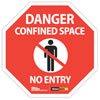
If someone enters a confined space and loses consciousness or is unable to move, don't rush into the space to try and rescue the person. The confined space may contain toxic gases that can knock you out too.
Do not enter any confined space unless you can say “yes” to all of the following items:
- You have been trained to enter and work in confined spaces.
- Your employer has a confined space entry program and a rescue plan specific to your workplace.
- Equipment is available to safely enter the space and rescue injured workers in an emergency.
- Machinery has been locked out and pipes have been isolated, where necessary.
- The atmosphere in the confined space has been tested to ensure it's safe to enter.
- The space is properly ventilated.
- A designated standby person is stationed at or near the entrance to the confined space.
Be sure to tell your employer if you see a possible confined space that hasn't been identified. Alerting your employer or supervisor to spaces they may not already know about could save someone’s life.
Resources
Confined Spaces: Safe Yesterday, Deadly Today (1 of 3)
Identify the confined spaces in your workplace as a first step in reducing their hazard.
Title
Confined Spaces: Test to Live (2 of 3)
Test the atmosphere before entering a confined space. It can make the difference between life and death.
Title

Confined Spaces: Rescue - Just Calling 911 Doesn't Cut It (3 of 3)
Successful rescue requires proper planning, training, equipment, and practice.
Title

Management of Confined Spaces in Agriculture: A Handbook for Workers
This handbook is written for workers in the agricultural industry to help them learn how to recognize a confined space, the potential hazards of a confined space, and how to stay safe when working in or...