
Vessel operator died, passenger and worker were injured when vessel exploded after refuelling
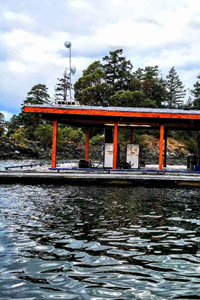
Date of incident: May 2020
Notice of incident number: 2020171900008
Employer: Marina
Incident summary
Two workers at the fuel dock of a marina helped a vessel operator fuel his boat. One worker helped the vessel operator fill the first tank. The second worker then took over and helped the vessel operator fill the second tank. Once the boat’s gas tanks were both filled, the vessel operator started the boat’s engine. An explosion and fire occurred, throwing a passenger from the vessel into the water and throwing the second worker into the side of the gas bar building. The second worker and the passenger were both injured. The vessel operator jumped into the water to rescue the passenger and succumbed to medical complications. The vessel operator and the passenger were non-workers.
Investigation conclusions
Cause
- Gasoline vapour exploded in engine compartment because bilge blower was not run before starting engine. A fuel-air mixture of vapour in the vessel’s engine compartment ignited when the vessel operator started the engine without running the bilge blower for the required five minutes beforehand. The vessel operator also did not perform a “sniff test” for gasoline vapour before starting the engine. Potential pinhole leaks in the starboard fuel tank, a known issue with this model of vessel, may have enabled the fuel-air mixture to get into the engine compartment, but it was not possible to verify this because of extensive damage to the vessel.
Contributing factors
- Inadequate instruction and training. The marina employer had provided its staff with some safety training but had not developed a formalized way to ensure that all staff members were adequately trained for their assigned duties. As a result, the employer’s posted boat-fuelling procedures, which required passengers to disembark and the vessel operator to run the bilge blower for five minutes before starting the engine, were not followed.
- Lack of effective written work procedures. The employer’s posted work procedure gave no direction as to whom it applied to — the employer’s workers or the public or both — and was not followed. The work procedure also did not give sufficient direction to workers as to what they should do if vessel operators failed to follow it.
Other safety issues
- PFDs not worn. At the time of the incident, the workers were not wearing PFDs as required by the Occupational Health and Safety Regulation. This is a safety issue but was not a factor in this incident.
- Lack of joint health and safety committee representation. The employer had a joint health and safety committee at its largest worksite but the committee had no representatives from the employer’s other three worksites, one of which was the incident site. Workers at the site where the explosion and fire occurred had no formalized way to make management aware of safety concerns in their workplace.