
Scuba diver lost consciousness while underwater
Date of incident: September 2022
Notice of incident number: 2022161740045
Employer: Commercial diving company
Incident summary
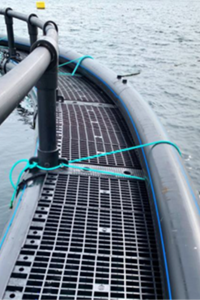
At a fish farm in tidal waters, two commercial divers were securing lines on a fish pen, approximately 32 m below the water’s surface. One of the divers initiated an ascent and then lost consciousness. He surfaced with no mask or regulator in place. The dive team rescued the diver. He regained consciousness and was transported to hospital.
Investigation conclusions
Cause
- Diver experienced oxygen toxicity and lost consciousness. The diver lost consciousness while ascending to the surface. This was likely a result of oxygen toxicity because of the increased partial pressure of oxygen (PPO2) in his body caused by exceeding the diving tables (diving at too great a depth for too long), increased physical exertion, and a 60–90% increase in breathing effort required due to the poor condition of the diver’s second stage regulator (the mouthpiece that provides air to the diver at the correct pressure).
Contributing factors
- Unclear dive plan. The members of the dive team did not have a consistent understanding of the dive plan. The divers’ statements varied regarding the maximum depth, the bottom time, and the breathing medium that would be used for the dive. The dive exceeded the maximum allowable depth of 33.5 m while using nitrox (a gas mixture composed of nitrogen and oxygen).
- Insufficient dive supervision. Dive supervisors are required to control the entire dive operation. However, during the dive, the divers were not in visual contact with each other, were not tethered, and were diving depths beyond 18 m without an underwater communications system, which does not align with the accepted diving tables, the Occupational Health and Safety Regulation, or CSA Standard Z275.2 Occupational Safety Code for Diving Operations. Furthermore, the breathing medium was not confirmed by anyone prior to the diver entering the water, even though the tank was labelled and the divers had a portable air analyzer on site (although it was not optimal for the conditions). The employer did not ensure this dive was completed safely or in compliance with the applicable standards and the Regulation.
- Normalization of risky behaviour and non-compliance. Diving outside of the parameters of the diving tables and the Regulation occurred on the day of the incident and was occurring regularly. In addition, it is more difficult for a dive supervisor to control the dive operation as required when using scuba with no means to communicate with divers, as on the day of the incident. The evidence shows a trend of the employer disregarding standards, diving tables, and regulations.
data-bs-keyboard="true">
2021-04-22 20:42:33