
Safety videos that steal the spotlight
Published on: January 21, 2026
WorkSafeBC’s Student Safety Video Contest has planted seeds of safety awareness for two decades, empowering young people to share their safety messages with each other and amplify them to the broader community.
By Marguerite Pigeon
We wanted to discover the elements of a winning safety video, so we asked contest organizers and a student winner: What makes a safety video stand above the crowd?
Robin Schooley, industry and program specialist at WorkSafeBC, oversees the Student Safety Video Contest and has done so since 2008. During that time, she has viewed many entries and developed a keen eye for what works in youth video storytelling. Schooley believes that a winning contest entry starts with a fresh idea. “Try to be innovative. Look at past winning videos and think: ‘How can I tell this story in a way viewers haven’t seen before?’”
Choosing the right emotional tone is key, Schooley adds. “Humorous videos deliver impactful messages without sounding preachy, while serious entries can really grab you at a gut level. Stories can be cheeky, dramatic, or clever. And while funny can be great, creativity and originality are at the heart of a good story.”
Catch the eye of contest judges
Heather McCloy, a long-time contest judge and resource development advisor, has helped shape many of WorkSafeBC’s award-winning health and safety videos. A strong safety message means aligning closely with WorkSafeBC’s annual theme. “We’ve seen wonderful, creative videos that miss the theme and are unable to be considered for a prize.”
McCloy values entries that feel fresh. “We want stories we’ve never seen before, with a unique point of view only the creator can offer.”
She encourages students to focus on these judging criteria:
- Effectiveness of the safety message
- Technical execution
- Creative concept
Invest some time in researching the topic to understand the information you will be sharing with the audience. To master technical execution, McCloy says judges look for students who know how to tell a story — with a clear beginning, middle, and end. On the creative side, judges want to see original ways to tell the story, a strong script and sharp camerawork, lighting, and sound.
And a final tip from McCloy, who advises, “Success requires equal attention to all three judging criteria.”
Take advice from a contest winner
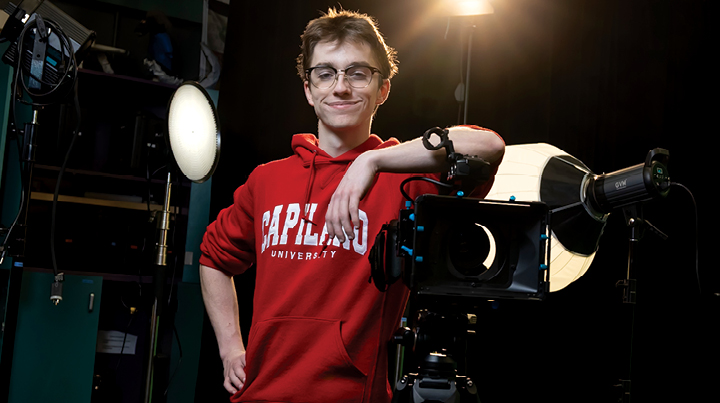
Griffin Occleshaw knows the ingredients for great video storytelling. A winner in last year’s contest, Occleshaw nabbed one of the top two spots for safety videos in the Grades 11–12 category. “We were awestruck,” he says about the win. “The most rewarding part for me was hearing from students in other schools who saw our video and felt inspired. Some even asked me for advice on making their own videos. That’s when I realized how powerful these stories can be.”
Occleshaw says that young creators should focus on enjoying the process of video making. He and his two collaborators had such a good time brainstorming for their submission, it didn’t feel like work. Occleshaw recommends keeping the subject personal. “You’re telling stories. So think of experiences, things you and your friends have been through, and just tell them.”
He says his team drew inspiration from their own work experience for their video, Undercover in the Workplace. “My friends and I all have jobs, and we’ve had those moments when you feel like the only one who doesn’t know what you’re doing. But don’t get caught up in the mindset of wanting to look professional, because it could put you at risk of getting hurt. Ask for help — there’s no shame in that.”
Occleshaw, who’s now pursuing a film career, says his contest win, which includes $1,000 shared with his team, and another $1,500 for his school, is a launchpad for his future. He’s especially excited by his bonus prize, the Actsafe Aspiring Filmmaker Award, which will see his film screened for the Directors Guild of Canada and a chance to network with industry professionals. “It’s amazing. We’re lucky the video turned out quite well.”
Avoid these common pitfalls
Schooley, who reviews between 75 and 150 entries each year from across B.C. — all posted by students on YouTube with an entry form submitted by an educator or sponsor — points to one major snag: using someone else’s music or images. “We can’t use copyrighted material without the express permission from the artist or company.” Her advice? Stick to free, downloadable content, or create your own original work.
McCloy, meanwhile, cautions students to stay away from storytelling clichés. “We’re looking for realistic and relatable situations. Falling back on stereotypes like ‘the bad boss who’s always mean’ don’t make for a very nuanced story.”
Another potential pitfall? Schooley says students shouldn’t submit overlong videos. For fairness, she says, all entries have to stick to the contest’s two-minute maximum.
For Occleshaw, a definite stumbling block can be focusing on technical wizardry. “I know it’s ironic, because it’s a film. But try not to get too caught up in the filmmaking aspects. For us, the whole point was just showing what it’s like being in a new work environment and feeling unsafe.”
Look ahead to the 2026 contest theme
Schooley says this year’s theme, “Use Your Voice for Safety,” will give students tools to become influencers for workplace safety. “It’s easy to say, ‘Speak up for yourself.’ But what does that look like? We want students to interpret that.” She says the theme gets to the heart of the video contest’s purpose: “The safety message is more meaningful coming from a peer and feels authentic.”
Contest winner Occleshaw encourages young people to go for it and enter the 2026 contest — so long as they have a story to tell. “It doesn’t matter if they’re by themselves with an iPhone. A good story is better than a bad story with a professional crew.”
McCloy says she hopes this year’s contest will be the biggest ever. “More kids should participate — and more teachers!”
Schooley is already looking forward to the newest entries. “I’m always so amazed by the talent these young workers have. They are thoughtful and creative, and they have this fresh pair of eyes to look at things differently.”
Get ready to make a difference
If you’re a student or an educator of young workers, now is the time to get involved in our Student Safety Video Contest. Share your story, inspire others, and help shape safer workplaces for everyone.
Visit the Student Safety Video Contest page on worksafebc.com to learn more about contest rules, submission guidelines, and how to participate.
The deadline for entries is 5 p.m. on Thursday, April 2, 2026. Keep in mind that the sooner a video is posted, the more time people will have to view and like it on YouTube. Ask family and friends to tap the "Like" button on their favourites, too!
Essential tips for success
- Keep videos within the two-minute time limit.
- Steer clear of using copyrighted music or images — create fresh content.
- Align your video closely with the contest’s annual safety theme.
- Start with a fresh, innovative idea — avoid repeating past approaches.
- Draw from personal experiences for relatable stories.
- Focus on originality and authenticity in storytelling.
- Avoid clichés and stereotypes; aim for realistic, nuanced situations.
- Master technical execution: clear story structure, strong script, and sharp camerawork, lighting, and sound.
- Give equal attention to message, technical skill, and creativity.
- Make the story and safety message your priority; technical wizardry is secondary.
This article originally appeared in the Winter 2025 issue of WorkSafe Magazine.
To read more or to subscribe, visit WorkSafe Magazine.