
Worker seriously injured when bulk container fell on him
Date of incident: April 2024
Notice of incident number: 2024186390010
Employer: Packaged foods manufacturer
Incident summary
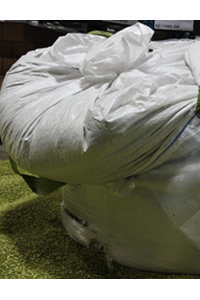
A worker was operating a forklift at a food production warehouse, in an area designated for storing materials required for production. A fork of the forklift inadvertently struck a bulk container (a large, industrial container made of flexible fabric) that had another bulk container stacked on top of it. The lower bulk container was damaged and green split peas began spilling out. The worker exited the forklift and attempted to repair the damage to the lower bulk container. The upper bulk container, which weighed 906 kg, fell onto the worker, who sustained serious injuries.
Investigation conclusions
Cause
- Forklift pierced lower bulk container, causing destabilization. The two bulk containers of green split peas were double stacked. The upper bulk container became destabilized when the lower bulk container was pierced by the forklift fork. The destabilized container shifted and then fell as the worker attempted to repair the lower bulk container.
Contributing factors
- Safe work procedures for stacking bulk containers not followed. The bulk containers had been double stacked because the workplace was undergoing renovations and had limited storage space. Double stacking was contrary to the employer’s safe work procedures for stacking bulk containers and the Flexible Intermediate Bulk Container Association’s safe handling guidelines for bulk containers. In addition, the upper bulk container was not removed before repairs were made to the lower one, as required in the safe handling guidelines. Had the bulk containers not been double stacked, the incident would most likely not have occurred.
- Inadequate forklift training. The employer had not provided training on safe forklift operation procedures at this workplace to the worker. The employer failed to adhere to its own forklift operation policies, which required operators to be certified and to use the forklifts in a manner that avoids damaging products and equipment and does not cause injury to workers.
- Inadequate supervision. No supervisors were on duty at the time of the incident, so there was no one to prevent the worker from using the forklift or to instruct the worker on safe procedures regarding stacking bulk containers and dealing with damaged, unstable containers.
- Inadequate hazard identification and risk assessment. The employer had identified the hazard of stacking bulk containers and the associated risks if a bulk container collapsed, but this information was not communicated to workers. The employer’s policies and procedures also identified the hazard of double stacking, but the procedures were not adhered to.